By
By 
Much of Northwest Ohio was once the Great Black Swamp: flat, clay-heavy ground left behind by retreating glaciers and ancient lakes, and it drains slowly. Farm drainage tile made it livable, but the clay is still there. After heavy spring rains, water collects around foundations and pushes its way into basements. The good news: the cheapest fixes are often the most effective.
Start outside (cheapest first)
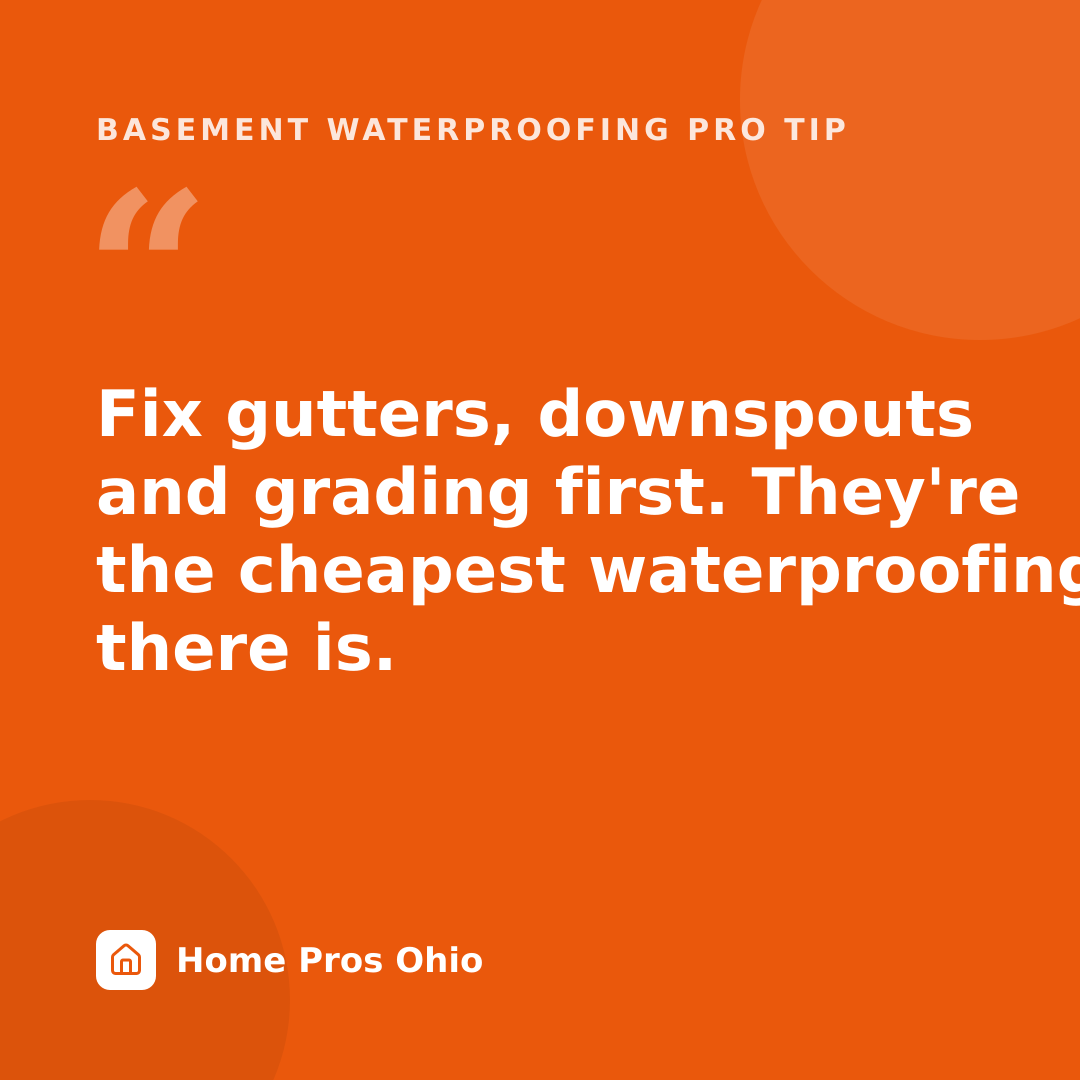
- Clean the gutters and make sure they’re not overflowing.
- Extend downspouts at least 6 feet from the foundation. This alone solves many wet basements.
- Regrade the soil so it slopes away from the house, about 6 inches over the first 10 feet.
- Check window wells for drainage and covers.
Then fix the basement
- Crack injection: about $400–$900 per crack for poured concrete walls.
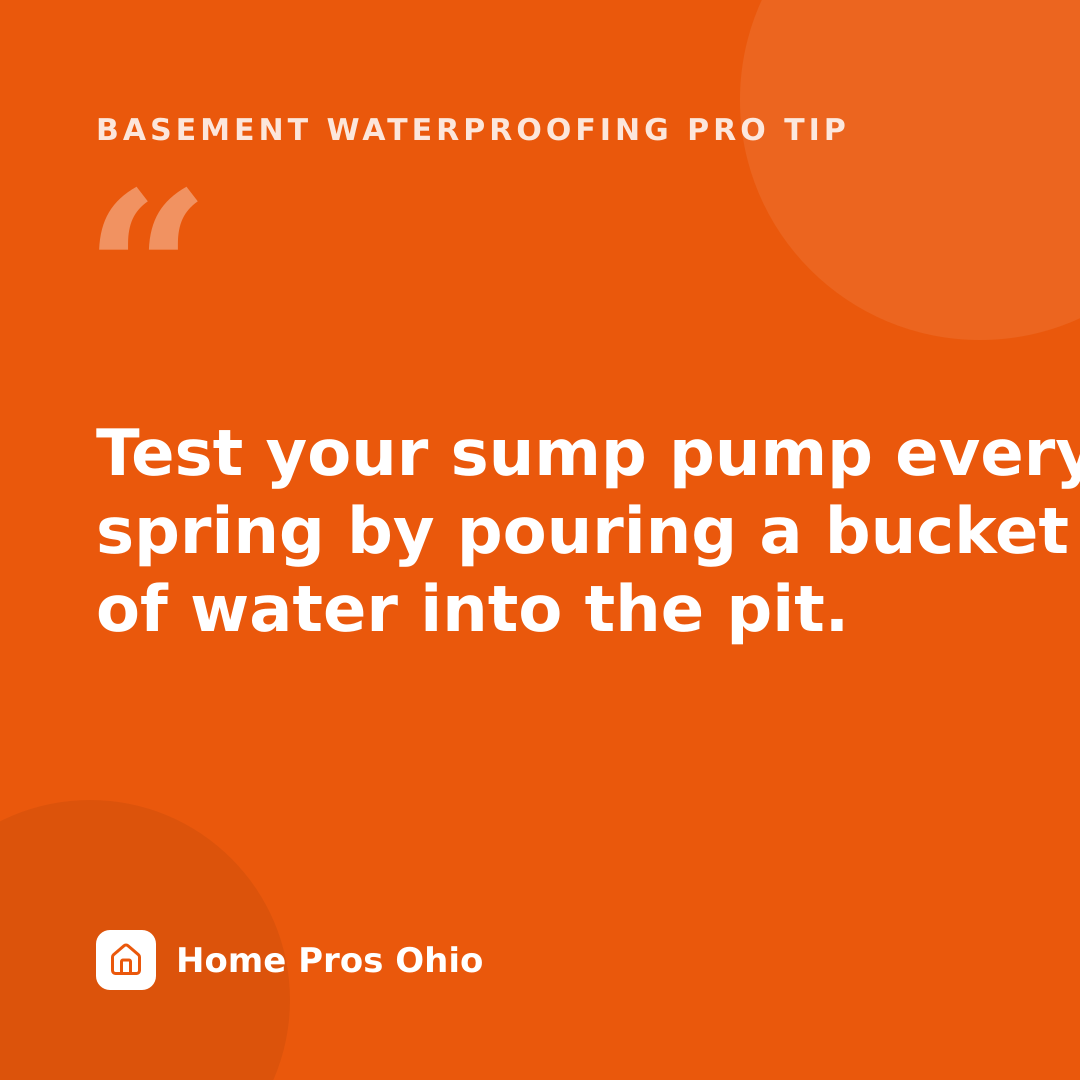
- Sump pump: about $1,000–$2,500 installed, with a battery backup recommended.
- Interior drain tile and sump: often $5,000–$15,000 for a full perimeter system.
- Exterior excavation and membrane: the most expensive option, usually reserved for severe problems.
Warning signs to take seriously
- Horizontal cracks or bowing walls (a structural issue)
- Water after every heavy rain
- White, chalky residue (efflorescence) on block walls
- Musty smells or mold
Next steps
Take the free Ohio Basement Water Risk Assessment, then compare basement waterproofing pros and get at least two opinions before committing to a large system.